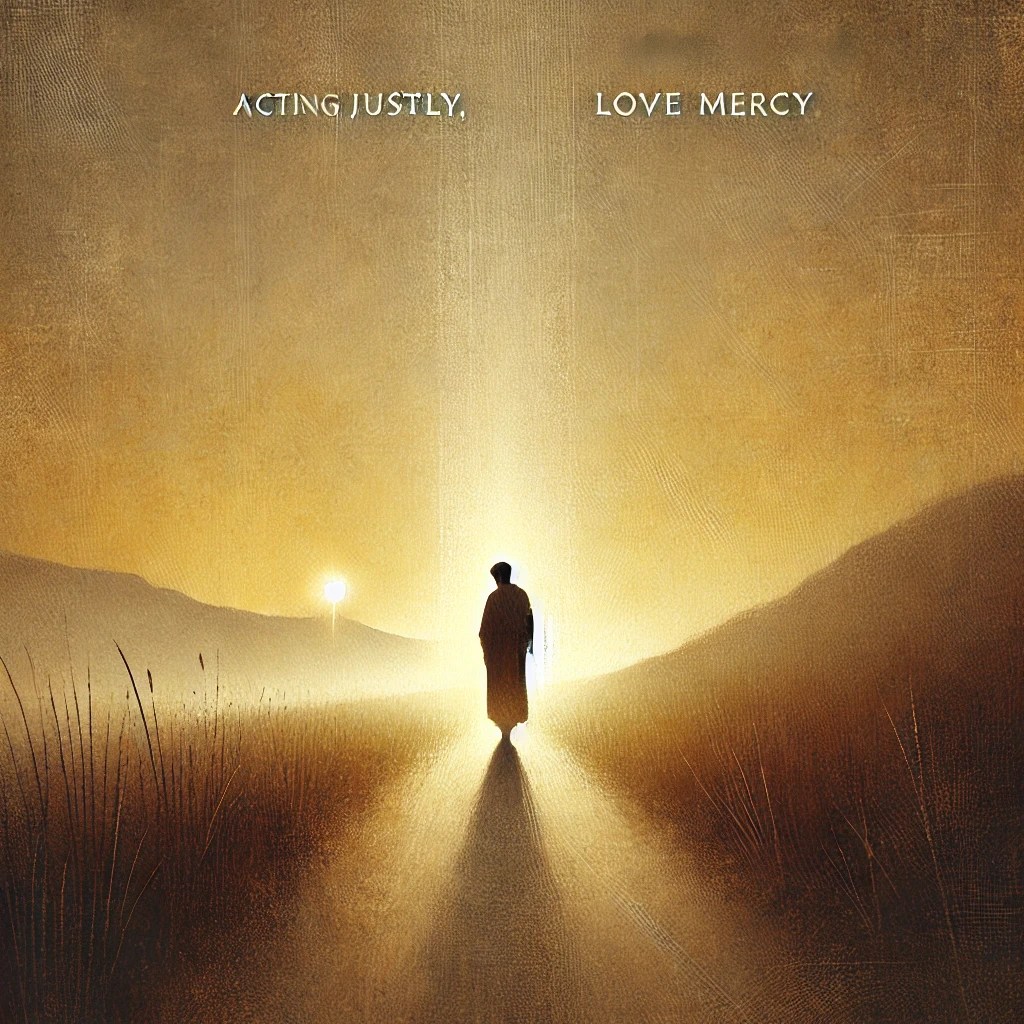
When we feel depleted, it’s easier to turn to God. Let’s try to turn to God every day!
Remember that God’s mighty hand leads us through life’s twists and turns and provides us access to the calm, gentle dwelling Spirit within us.
Focusing on the colors and shading helps the brain to disengage from the world. It allows us to invite God to calm our thoughts and engage in quiet reflection. Amid natural disasters, remember to take a break and breathe. Breathe in God’s goodness and exhale the worry and fear.
Twinkling stars in the midnight sky, Whisper secrets from heaven’s gate. Moonlight glistens on blades of grass, Captivating vibrant green lusciousness.
Sturdy as volcanic rock, deep in Earth’s mantle, Billions of years quelling anger, fostering peace. Cascading abundance to believers, Spirit of verdant grace, sprinkle olivine dust.
Melting hearts of iron, Peridot’s spirit lights the path. Transforming souls one by one, Guiding through love’s open door.
Freeing us from this mortal world, The Spirit of the Peridot. Streets made of silver and gold, A place to cherish and adore.
Freedom is one of those words that is hard to describe. Its meaning is unique to each person.
The Cambridge Dictionary describes freedom as:
The condition or right of being able or allowed to do, say, think, etc., whatever you want to, without being controlled or limited.
Such as: freedom of choice freedom of speech freedom of thought freedom of information freedom from (condition)
For me, freedom is having peace of mind. It is about feeling safe. And you can’t have freedom without respect.
Respect for property. Respect for others. Respect for yourself.
When I think about freedom, it’s not about politics or whether you believe in God. Freedom is the right to live in a society without fear. It also means going home to a place of safety.
So what exactly is freedom for you, and how does it apply to your life?
Imagine a world where kids can be kids. A world where parents love (storge) their children and family members love (philos) each other and feel safe. One where love (eros) does not enter the picture before the brain can mature.
Imagine a world where adults do not inflict their own pains and trauma on their children or younger siblings. Where children can speak openly and honestly without fear of condemnation from their parents, church, or themselves.
Imagine a world where college students can learn and focus on academics without feeling pressure to socialize. Or, if they choose to do so, not to worry about being forced into a situation they can’t get out of.
Feeling helpless is not freedom. Imagine a world where no means no.
Imagine living in a world where spouses speak to one another in kindness. One where respect for one another is essential. It does not stifle. Mutual love encourages freedom.
Freedom to explore. Freedom to experience. Freedom to be yourself.
Imagine a world where your partner builds you up instead of tearing you down.
That is what freedom looks like to me.
But let’s get real.
Life is life. Life is made up of imperfect people. People who have been caught in a vicious cycle. People who hurt each other and make mistakes.
How do we sympathize and try to understand their plight? How do we stand up for ourselves and not harm others? Do others need to pay for the harm they do to us?
I’d love to hear your thoughts. What does freedom mean to you?
Share your thoughts in the comments below or on social media.
What better month to reflect on the modern wedding ceremony than now?
In parts 1-4, we heard ancient whispers from Juno in our ear about ancient Roman wedding ceremonies. We could almost taste the spelt cake the bride and groom fed each other during the ceremony. Then, we heard the loud shout of the decree announcing Christianity as the Roman Empire’s official religion. Hence, faith shifted from inward to a more personal God.
Today, we contemplate wedding traditions through the lens of Juno.
Image Credit: Hallmark Channel
Do you know a June bride?
It is an amazing time of the year to tie the knot. In New Jersey, June is typically a warm month, but not so hot to work up a sweat. The first wedding I attended in June was a beautiful sunny day with a nice breeze. The second wedding I attended was one of the hottest days in June on record. Beads of sweat dripped down my neck all the way down my spine. It was THAT hot and humid.
The Unity Candle
Modern-day weddings may include a candle-lighting ceremony where there are three candles. One represents the bride, the other represents the groom, and the center candle represents God. The couple lights their candles and then lights the center candle together. This signifies two lives joining as one, with God as the head of the household, much like Juno.
The Timeless Influence of Juno
Over the past few posts, we have seen how contemporary wedding rituals and traditions date back to the ancient Roman Empire and some even further.From June wedding dates to wedding cakes, the modern-day marriage ceremony honors a tradition that dates back millennia. The symbolism of unity, prosperity, and divine blessing continues to be central to wedding ceremonies worldwide.
As we trace the evolution of these traditions from ancient Rome’s pagan practices to the early Christian era and contemporary society, we see a remarkable continuity. The sacredness of marriage, the involvement of close family and friends, and the desire for divine blessing are themes that resonate across time and cultures.
By understanding our wedding customs’ historical and cultural roots, we can appreciate their richness and depth. Juno’s influence on weddings is a testament to the timeless nature of human beliefs and practices, which continue to shape and enrich our lives today.
Tell us your wedding traditions. We’d love to hear them.
A time to connect the dots between Ancient Rome and our modern-day wedding ceremony.
In parts 1-2, we saw how the goddess Juno influenced weddings in Ancient Rome. Part 3 discussed the faith shift from multiple gods to a single triune God.
Here, we will hear the echos of Juno, which are still heard across wedding venues near and far.
Blending of Traditions
Christianity reinterpreted or replaced many of the ancient wedding traditions. Let’s look at a few.
Sanctification of Marriage
The early Christian Church viewed marriage as a sacred covenant. For new Christians, the sacred covenant transitioned from Juno to God. Wedding ceremonies included Christian prayers, blessings, and the presence of clergy.
June Weddings
In Part 1, we learned how the calendar month of June derived from Juno. Hence, it was a favorite month to marry. The Church continued this tradition and endorsed June weddings.
Wedding Attendants
The role of the “pronuba” paved the way for bridesmaids and groomsmen. Wedding attendants were and still are supportive figures for the bride and groom. Just like the ancient pronuba. This tradition is an example of how an ancient tradition was redefined. It morphed into the tradition of involving close friends and family in the ceremony.
An elaborate gold and onyx Roman wedding ring from the 3rd century. (Argyor) Image Source: ancientorigins dot net
Wedding Rings
Wedding rings date back to the Egyptians, 3000 BC. Even then, rings symbolized eternal love and commitment, but not in the way they are today.
The Romans continued the tradition of the wedding ring. But the groom often gave the ring to the bride’s father, as it served as a sign of a bride purchase.
By the second century BC, the bride was given a gold ring to indicate the groom’s trust in her as his property. In ancient Rome, brides were given two rings. One was gold. The other iron. The gold ring was worn for social engagements, and the iron ring was worn at home.
Bridal Veil
The bride’s veil, however, had a deeper, darker meaning. It was designed to ward off evil spirits. Today, the modern-day bride can choose to wear one or none. The veil came to be a covering to prevent the groom from seeing the bride until the exchange of vows.
The Wedding Cake
Over the years, the spelt cake eaten during the wedding ceremony gradually became one of the highlights of the modern-day wedding reception. Namely, the wedding cake. Most brides and grooms feed each other a piece of cake in front of family and friends. Did you know this tradition started in Ancient Rome?
Part 5 will wrap up this series. We will discover more themes linking ancient customs to contemporary weddings.
And a time to think about love. The love of friends. The love of God.
In Part 1, we explored Juno, the goddess of marriage, and her central role in wedding ceremonies. Part 2 peeked at ancient wedding traditions. During the ceremony, we learned the significance of the bride and groom eating spelt cake. And, of course, the significant role of “Pronubas” in keeping tradition.
Part 3 will discuss the shift of faith in the Roman Empire and its effect on Juno and other gods.
From Multiple Visible Gods to One Invisible Triune God
Christianity swept through the Roman Empire. It became the official religion in 380 AD. This transformation reshaped beliefs and practices.
The Spread of Christianity (Map 300-600 AD) Image Source: orthodoxchristianity.net
Imagine the upheaval, the confusion, and the uncertainty. An entire religious and spiritual system was being upended and replaced by a new faith. Ancient Rome, a pluralistic region, converted to Christianity seemingly overnight. From worshipping many gods and goddesses to the belief in one invisible triune God.
Hardworking citizens who had crafted small household gods were now rendered obsolete. Picture the uproar, the disbelief, and the resistance of business owners. The society they once knew was shifting its core beliefs right before their eyes. The worshipping of statues became a mere admiration and, in some cases, a symbol of power.
An Omniscient God
Faith took a new form.
Time and space limited existence.
But not God.
God, now unseen and untouched, defied the constraints of time and space.
Imagine a circle without a beginning or an end. Then, think of God. Try to visualize God as an all-encompassing circle. God is the beginning and the end. And everywhere in between. Not only the creator of the universe but a divine being who lives within each of us. This new God couldn’t be seen or touched. Yet, some were touched by God and were never the same.
It must have been mind-boggling for ancient Rome to undergo such a transition.
In the next post, we will look at the Christianization of Roman Wedding Traditions. Join us in Part 4 as we unravel the threads connecting Juno to the vows we still exchange in today’s modern world.
And perhaps a magical time for a bride and groom to pledge their love to one another amongst family and friends.
In Part 1, we talked about June, which dates back to the Roman Empire and how Juno, the Roman goddess of marriage and childbirth, inspired its popularity among couples wanting to tie the knot.
In this post, we will dig deeper into the role Juno played in the traditional ancient wedding.
Ancient Wedding Traditions
Image Credit: Public Domain – A Roman Wedding Procession by Edwine Howland Blashfield
Roman weddings, like those of the affluent of our day, were elaborate ceremonies with religious rituals. They centered around worshipping Juno, the goddess of marriage. The bride and groom did so in order to receive a blessing from Juno for their marriage. This included sacrifices, prayers, and customs thought to cement the couple’s future and to bring happiness and prosperity.
Let’s look at specific examples.
Choosing the Wedding Date
June was the most popular month for Roman weddings. And Juno had a lot to do with that. Even so, brides and grooms could consider other months as well. But they were always based on lunar cycles.
The Confarreatio Ceremony
The most sacred Roman wedding was called the “confarreatio.” A significant part of this ritual involved the couple sharing a spelt cake (panis farreus). The cake symbolized unity and abundance. It was a solemn pledge to Juno and to each other.
Nuptial Rites and Sacrifices
Before the wedding ceremony, the couple offered cakes, wine, and incense to Juno while the Priests recited prayers. These practices further emphasized Juno’s central role in the wedding ceremony. These offerings were believed to purify and bless the union.
The Bridal Procession
After the ceremony, a procession would lead the bride to her new home, where nuts and coins lined the path. These symbolized fertility and prosperity. As the procession made its way through town, they stopped at shrines and offered prayers to Juno. Further confirming Juno’s protection over the marriage.
The Pronuba
Like the modern-day maid or matron of honor, the “pronuba” was a married woman. The pronuba assisted the bride before, during, and after the wedding ceremony. As a representative of Juno’s, she embodied the ideals of marital fidelity and longevity. Her role was to guide the bride through the wedding rituals. It was no wonder that the pronuba ensured tradition was followed.
Legacy of Time
There is no doubt that the goddess Juno played a pivotal role in ancient wedding ceremonies. It underscored the profound cultural significance and importance of marriage in Roman society. Such customs highlighted how entwined Juno was in the institution of marriage.
Part 3 will explore the transformation from Juno’s central role in the wedding ceremony to the sacred vows before the God of Christianity.
And a favorite time to get married – at least, in 2015.
Fast-forward to 2023, and June falls to number three, according to a recent post on Brides.com. For the curious-minded, October was number one, followed by September.
Credit: Illustration of the Roman goddess Juno by Samantha C. George
Juno? Who was Juno?
June is also the month named for Juno, one the Romans most popular goddesses.
Over the next few blog posts, we will learn how Juno influenced the modern-day wedding. But first, we start with how “June” became the sixth month of the calendar we still use today.
The Month of June
So, how did “June” become the sixth month of our calendar?
June is named after the Roman goddess Juno, the god of marriage and childbirth. She was the wife of Jupiter, the king of the gods.
June, the sixth month of the Julian calendar, was introduced by Julius Caesar in 46 BCE. It was on this date that June’s 29 days changed to 30 days, as per timeanddate.com.
Juno: The Goddess of Marriage
In Roman mythology, Juno was the queen of the gods and the protector of women and marriage. Her Greek counterpart was Hera.
Juno oversaw all aspects of women’s lives, from birth to marriage and family. As the goddess of marriage, Juno blessed and protected couples. So, those seeking her blessing did so to gain favor amongst the gods so that their marriages would have a higher probability of working out.
The popularity of June weddings dates back to ancient Rome. Marrying in June was believed to honor Juno. Which is why couples leaned toward June. After all, they thought that Juno brought harmony and prosperity to the marriage.
Legacy of Time
June weddings are a testament to the legacy of these ancient beliefs. Even though many modern-day couples choose to marry in June, they may not realize they’re following a tradition that dates back millennia.
In Part 2 of this series, we will continue to explore how Juno influenced the modern-day wedding.
is a time to honor and celebrate the fathers in our lives. While expectations of fathers may have changed over the years, the core values of what makes a good father (or step-father) are timeless.
A good father is more than just a provider; he is a nurturer, a guide, and a pillar of support for his partner, children, and community.
Core Values of a Good Father
Attachment
Attachment theory, developed by psychologist John Bowlby, emphasizes the importance of forming a secure bond between a child and their caregiver. A good father fosters this bond through consistent presence and emotional availability. He helps his children develop a sense of security and trust by providing comfort and support. It starts with taking turns with changing diapers, late-night feedings, and going to bed routines. This secure attachment lays the foundation for healthy emotional development and relationships throughout the child’s life.
Attunement
Attunement refers to a parent’s ability to recognize, understand, and respond appropriately to their child’s emotional states. A good father is attuned to his children’s spoken and unspoken needs. He listens actively, observes carefully, and provides support to help them navigate their feelings. A good father is empathetic and helps his children feel understood and valued, fostering their emotional intelligence and resilience.
Respect
Respect is fundamental to any healthy relationship, and the father-child relationship is no exception. A good father respects his children’s individuality and encourages their autonomy. He acknowledges their unique personalities, interests, and perspectives and supports their independence. By showing respect, he teaches his children to value themselves and others, promoting a healthy sense of self-worth and mutual respect in their interactions.
Personal Growth
A good father is not only a teacher but also a learner. He models personal growth by adapting to his family’s changing needs. Whether deepening emotional intimacy with his spouse, enhancing parenting skills, or working on personal challenges, his commitment to growth inspires his children to pursue their own development paths. This lifelong learning mindset fosters a culture of continuous improvement and resilience within the family.
Prioritizing Children’s Needs
One of the defining qualities of a good father is his ability to prioritize his children’s needs. This does not mean neglecting his own well-being but instead finding a balance where the children’s physical, emotional, and psychological needs are prioritized. A good father understands the importance of providing a safe and nurturing environment, even if it requires personal sacrifices. He makes sure they have the resources and support they need to thrive.
Mental Health
A good father values good mental health. He recognizes the importance of emotional well-being and openly discusses such things. By addressing issues such as respect, value, self-esteem, stress, anxiety, and depression, he helps normalize the conversation. Providing space for emotional expression and seeking professional help promotes a healthy, balanced life.
Respect for the Mother of His Children
A good father shows respect for the mother of his children. He recognizes that a harmonious and respectful relationship sets a positive example for their children. Whether partners or co-parents, mutual respect and cooperation are crucial for creating a stable and loving environment. By treating the mother of his children with kindness, consideration, and respect, he demonstrates the importance of healthy relationships and teamwork. This respect benefits the children by providing a model of positive interaction that strengthens the overall family unit.
The Legacy of a Good Father
Father’s Day is an opportunity to reflect on and appreciate the profound impact that good fathers have on their children’s lives. Good fathers lay a solid foundation. As we celebrate this special day, let us honor the fathers who embody these qualities and strive to be the best role models they can be. Their dedication and love create a lasting legacy for generations to come.
Happy Father’s Day
#Father’sDay #Attachment #Attunement #Respect #Mental Health #RoleModel